
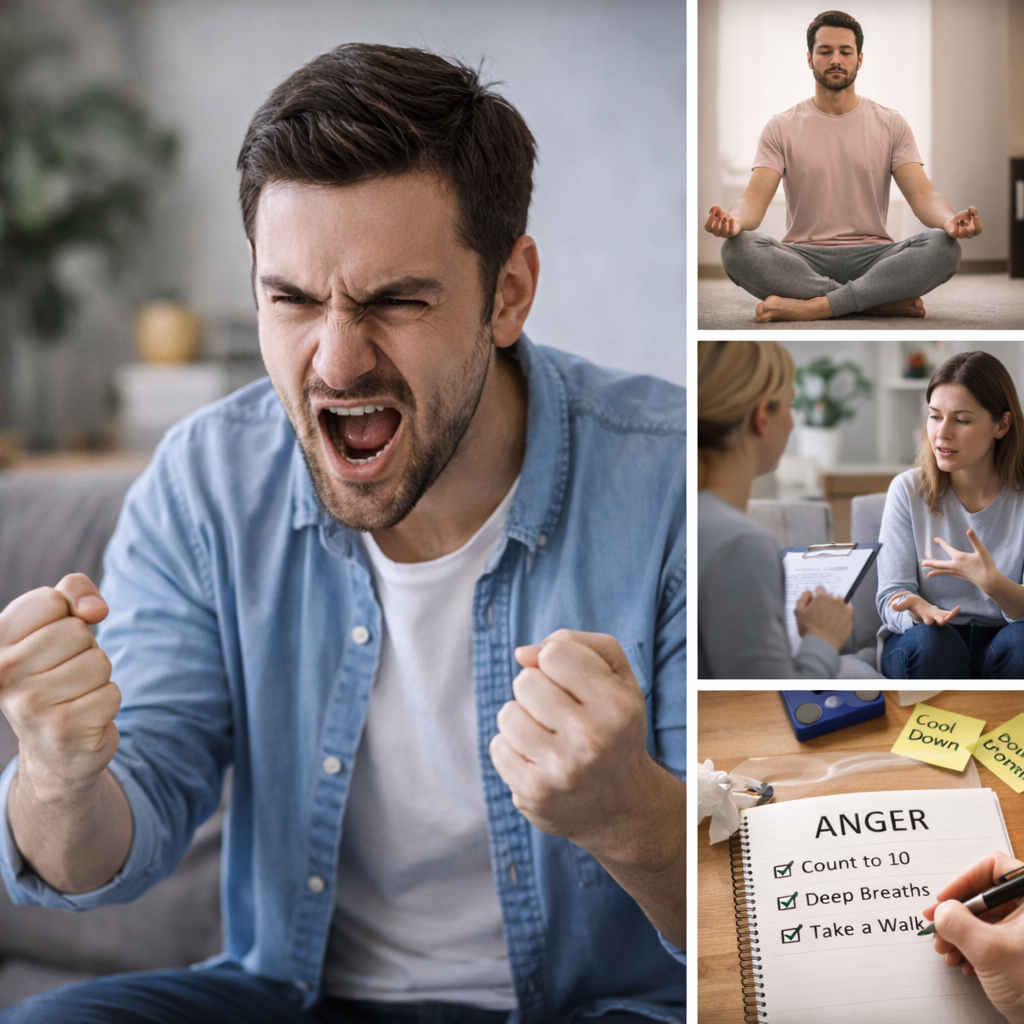
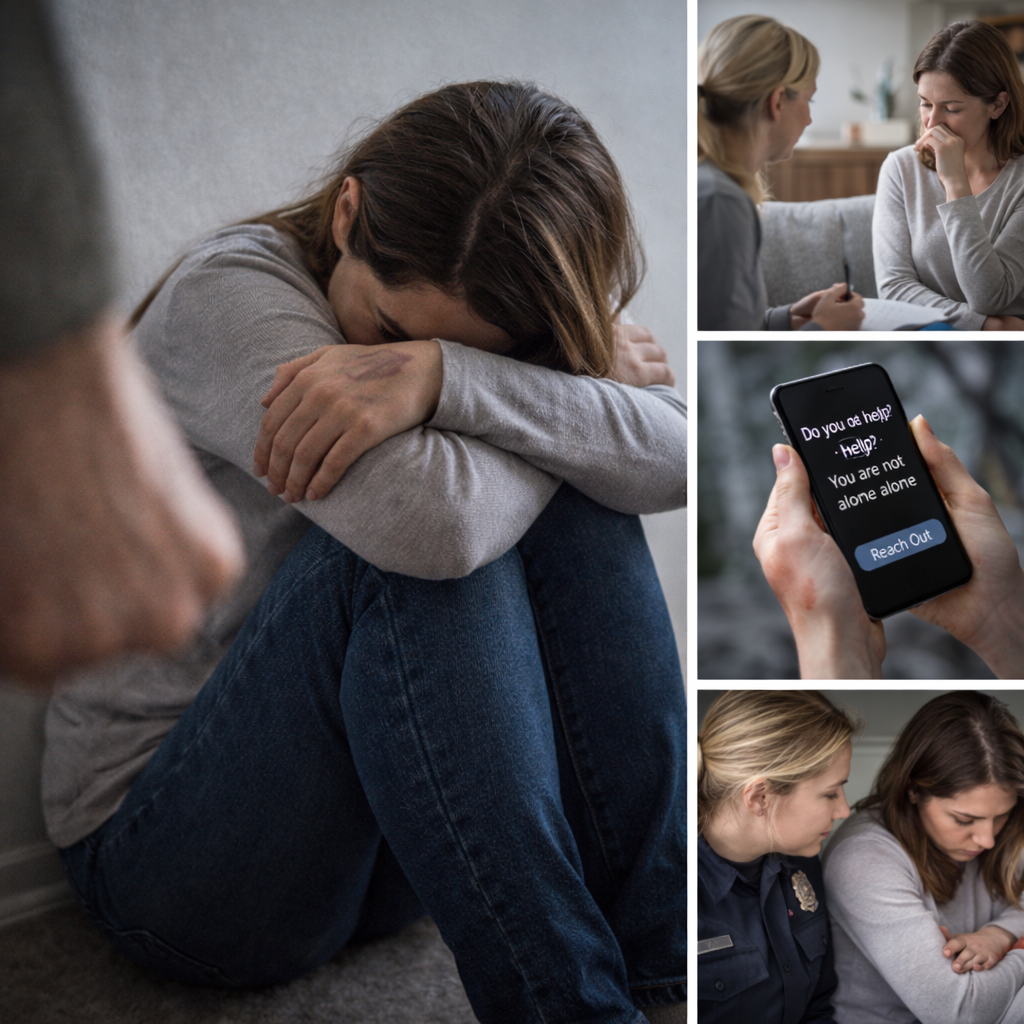











A practical introduction to Anger Management Techniques, with clear lessons on key concepts, common challenges, and useful daily habits. Learners gain understanding, confidence, and actionable tips for informed decisions, healthier routines, and sustainable progress in everyday life. This supports balanced learning, confidence, better habits, informed choices, healthier routines, and wellbeing.
₹3,699.00
Anger can rise fast, take over your thoughts, and leave damage behind long after the moment has passed. If you are tired of overreacting, shutting down,
lashing out, or regretting what happens when emotions boil over, this course is designed to help you take back control.
With clear, practical guidance, you will learn how to recognize anger earlier, respond more effectively, and replace destructive patterns with calmer,
more confident techniques that support your well-being, your communication, and your daily life.
Maybe it comes out as snapping, arguing, breaking things, saying things you regret, or feeling constantly tense and irritated. Maybe you keep it inside until it builds
into resentment, exhaustion, or self-destructive behavior. Either way, staying in the same cycle can affect your relationships, your work, and how safe or steady life feels.
It is about learning how to handle anger in a way that protects your relationships, your self-respect, and your future decisions.
The goal is not suppression. The goal is control, clarity, and a more constructive response when pressure rises.
Anger problems rarely improve by being ignored. The longer the pattern continues, the more it can affect trust, communication, confidence, and emotional stability.
This course gives you a chance to interrupt that cycle now — while you are aware of the problem and ready to do something different — before another reaction creates consequences you wish you could take back.
Whether you are just beginning to recognize the issue or you are serious about changing long-standing patterns, this course is designed to help you move from reaction to regulation with guidance that feels clear, actionable, and realistic.
Related topics: Anger Management, Emotional Regulation, Triggers, Communication Skills, Stress, Conflict Resolution, Coping Strategies, Self-Control, Relaxation, Relationships, Behaviour Change, Mindfulness