
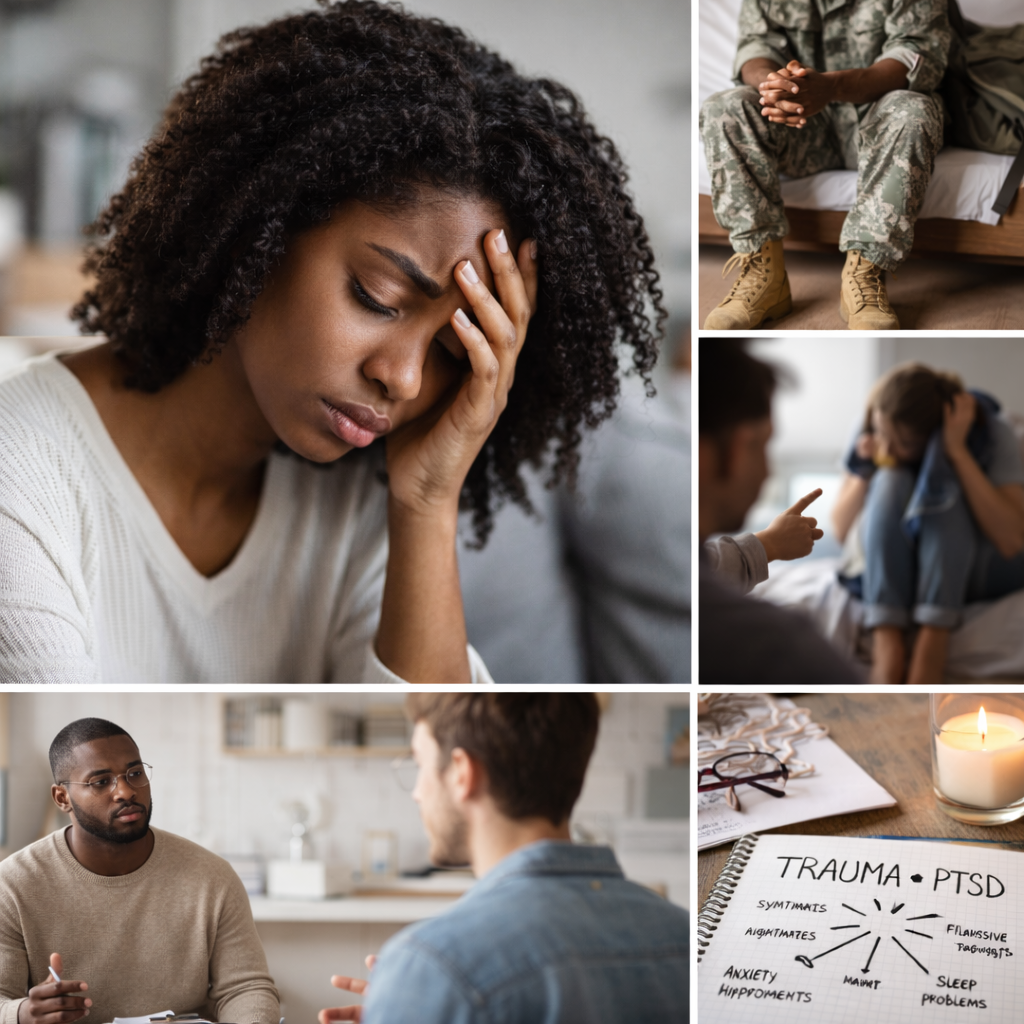












A practical introduction to Understanding Trauma and PTSD, with clear lessons on key concepts, common challenges, and useful daily habits. Learners gain understanding, confidence, and actionable tips for informed decisions, healthier routines, and sustainable progress in everyday life. This supports balanced learning, confidence, better habits, informed choices, and healthier wellbeing.
₹5,499.00
When trauma continues to affect your sleep, focus, emotions, relationships, or sense of safety, it can feel like the past is still shaping the present. This course offers a clear, compassionate introduction to trauma and PTSD, helping you understand what may be happening and explore supportive next steps with greater confidence.
Trauma can continue showing up through flashbacks, nightmares, emotional numbness, hypervigilance, guilt, or a constant sense of being on edge.
Many people blame themselves, minimise what happened, or do not realise how strongly trauma responses can affect daily life, relationships, and wellbeing.
The more clearly you understand trauma patterns, the easier it becomes to seek the right support, make sense of your reactions, and take steadier next steps.
Instead of overwhelming information or vague advice, this course gives you a grounded framework to understand trauma and PTSD, recognise common symptoms and patterns, and explore practical, recovery-supportive next steps.
Understand trauma responses more clearly so your experiences feel less confusing and less isolating.
Learn how trauma may affect thoughts, emotions, behaviour, and relationships without reducing your experience to self-blame.
Get a clearer sense of which coping approaches may help, when professional support may be needed, and what trauma-informed care can look like.
Move from uncertainty toward informed action, whether that means building understanding, starting therapy conversations, or identifying your next safe step.
The longer trauma responses remain misunderstood, the easier it is for them to affect daily life without explanation. This course offers a more supportive place to begin: clearer knowledge, practical insight, and a trauma-aware framework for taking your next step with more confidence.
If you want to better understand trauma and PTSD, this course provides a thoughtful, supportive starting point. It is designed to help you make sense of trauma responses, recognise helpful pathways forward, and feel more informed about what healing support can involve.
Important: This course is for educational and self-help purposes only. It is not a substitute for diagnosis, trauma therapy, crisis support, or medical care.
Related topics: Trauma, PTSD, Post-Traumatic Stress, Triggers, Grounding, Flashbacks, Safety, Trauma-Informed Support, Emotional Regulation, Recovery, Mental Health, Professional Help