
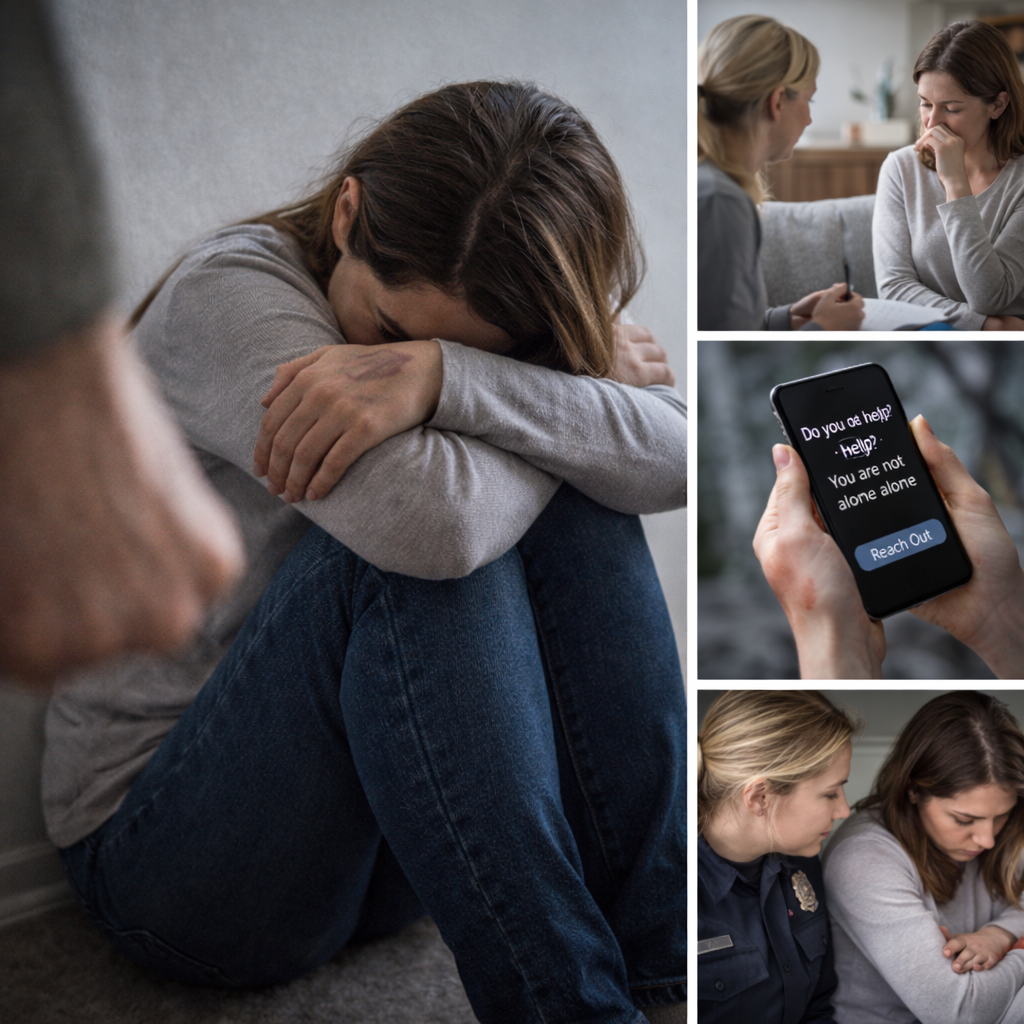
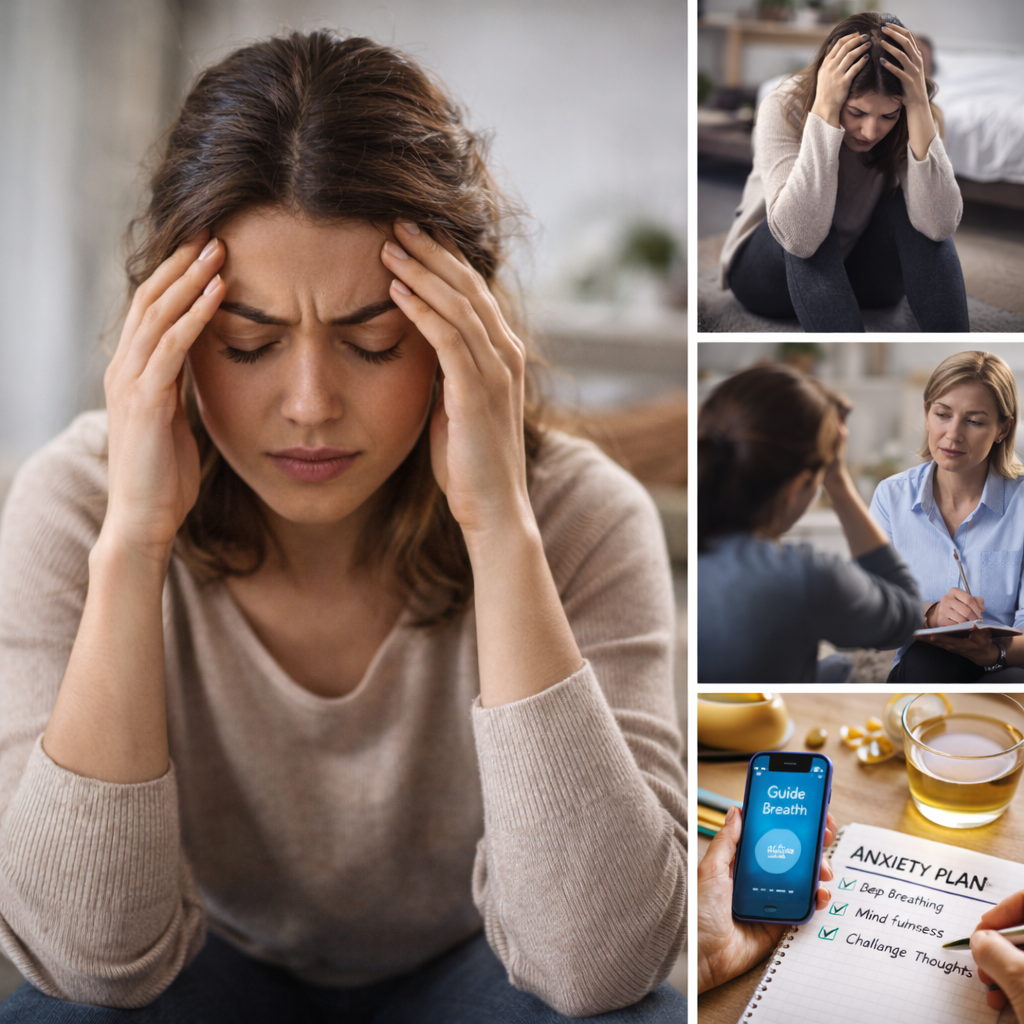

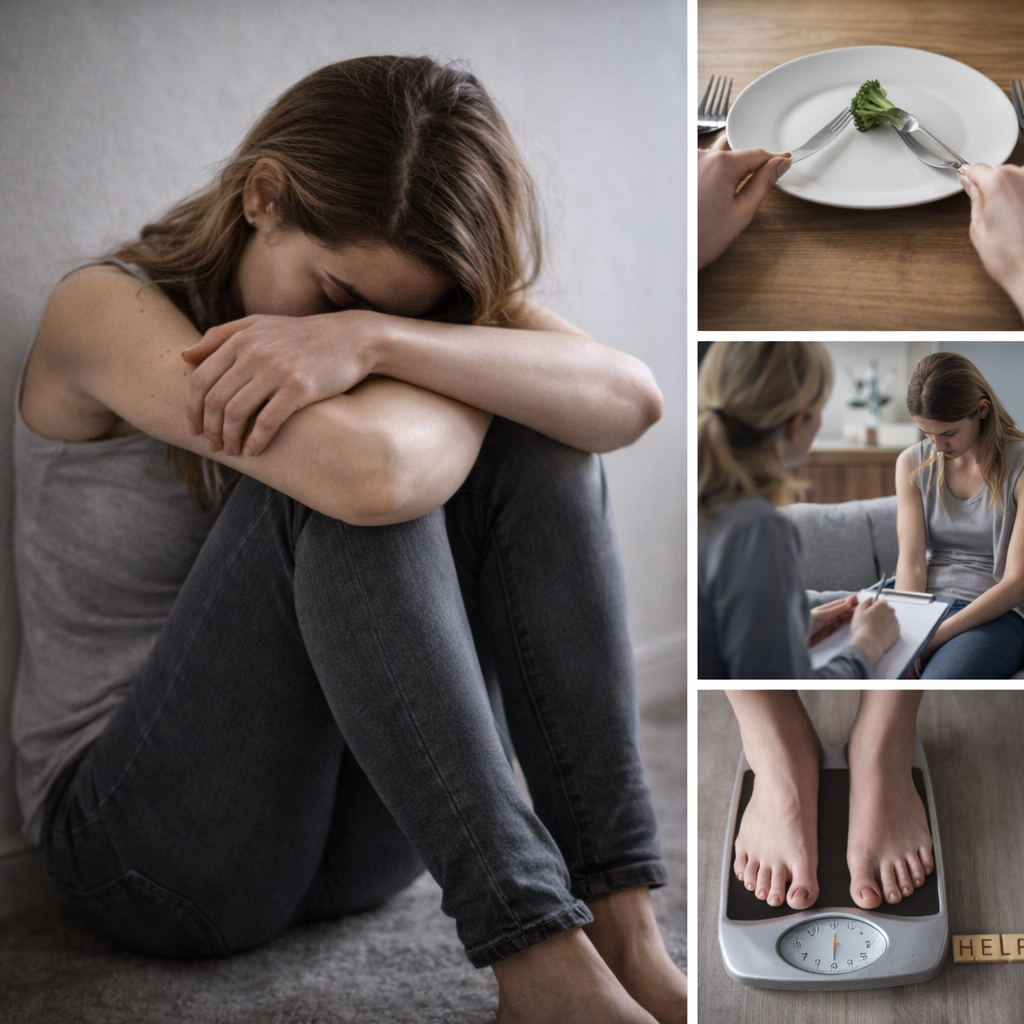







A practical introduction to Alcohol and Mental Wellbeing Awareness, with clear lessons on key concepts, common challenges, and useful daily habits. Learners gain understanding, confidence, and actionable tips for informed decisions, healthier routines, and sustainable progress in everyday life. This supports balanced learning, confidence, better habits, informed choices, and wellbeing.
₹3,699.00
Better awareness can change everything. If alcohol has started affecting your mood, sleep, stress levels, focus, motivation,
or emotional balance, this practical guide helps you understand the connection clearly—and take smarter next steps sooner.
The longer the pattern goes unchecked, the easier it is for “just coping” to quietly become a bigger problem. Get informed now and take back control.
Alcohol and mental wellbeing can affect each other in ways many people do not fully recognize until the impact becomes hard to ignore.
What starts as a way to unwind, switch off, or cope with pressure can begin to affect mood, sleep, anxiety, relationships, performance, and daily stability.
This guide brings the essentials together in one place—so you can understand the link more clearly, recognize warning signs earlier,
and make more informed decisions about your wellbeing, support options, and next steps.
Learn how alcohol can interact with mood, stress, sleep, motivation, emotional regulation, and day-to-day mental wellbeing.
Get clearer on the habits, patterns, and red flags that may suggest drinking is becoming more harmful or harder to control.
Discover practical ways to cut down, track patterns, seek help, and move toward healthier support strategies without relying on guesswork.
The longer alcohol-related patterns stay unexamined, the easier it becomes for low mood, poor sleep, rising stress,
emotional reactivity, and unhealthy coping habits to blend into everyday life.
Get informed now, notice the signs sooner, and put yourself in a stronger position to make healthier, more confident decisions before the cycle deepens.
This product is for educational purposes and is not a substitute for medical advice, diagnosis, emergency care, or treatment.
If someone is confused, having seizures, breathing slowly, or is unconscious after drinking, seek emergency help immediately.
If you think you may be dependent on alcohol or experience withdrawal symptoms, get medical advice before trying to stop suddenly.
Related topics: Alcohol Awareness, Mental Wellbeing, Drinking Habits, Mood, Stress, Risk Reduction, Coping Strategies, Sleep, Relationships, Support Services, Self-Reflection, Healthier Choices